Wellness
November 1, 2026
Healthy, youthful-looking skin is not just about adding volume. Over time, the skin gradually loses collagen, elasticity, and structural support. This can make the face appear less firm, with changes in contour and skin texture becoming more noticeable.
Poly-L-lactic acid (PLLA), commonly associated with treatments such as Sculptra, is an injectable biostimulator designed to encourage the body's natural collagen production. Unlike traditional hyaluronic acid fillers, which provide immediate volume, PLLA works progressively, with improvements developing over time.
For individuals exploring advanced aesthetic treatments at a skin clinic in Kochi or a skin clinic in Tirur, understanding how collagen biostimulation works can help them make informed decisions. The right treatment depends on facial anatomy, skin condition, medical history, and realistic expectations—not simply the injection technique.
Poly-L-lactic acid is a biodegradable synthetic material used in certain injectable aesthetic treatments. Once administered according to the product's approved instructions, it stimulates a gradual tissue response that supports collagen formation.
The aim is to improve facial volume, firmness, and structural support over time. Results are not immediate, and individual responses vary depending on factors such as age, baseline tissue quality, treatment area, and the product used.
The term advanced PLA injection technique generally refers to an anatomy-led approach that considers the treatment pattern, appropriate tissue depth, product preparation, and follow-up care.
However, more injection points or greater product quantities do not automatically produce better results. Safe, effective treatment begins with proper patient selection and a qualified medical professional.
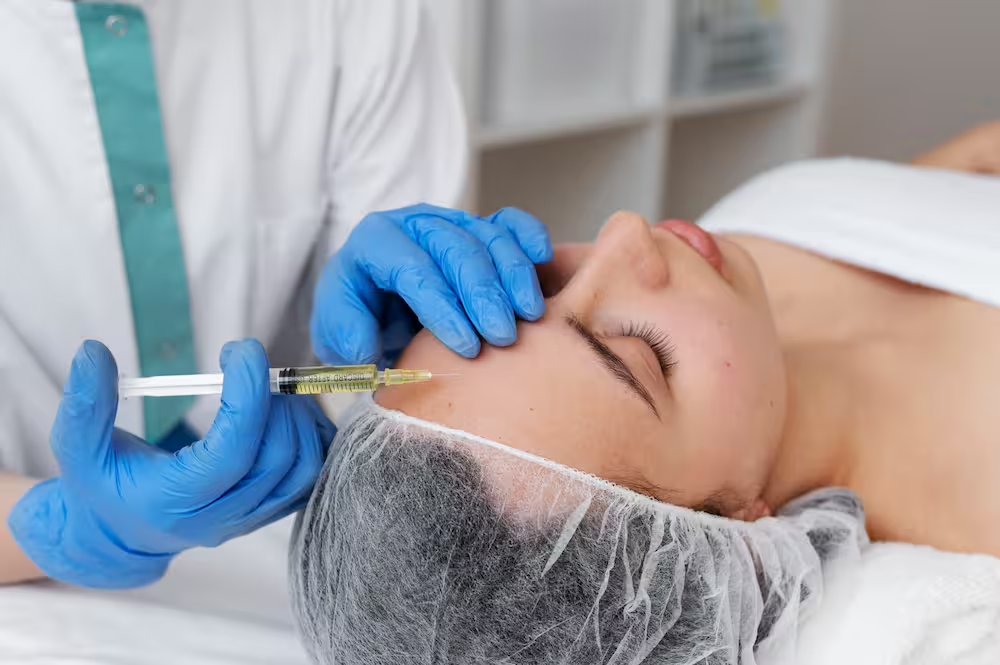
Injection patterns influence how a biostimulator is distributed across the selected treatment area.
A single-point approach may be appropriate for specific, limited treatment plans, depending on the product instructions and clinical indication. A multi-point approach may allow a
practitioner to distribute treatment across a broader region when more extensive collagen stimulation is intended.
The choice depends on the area being treated, the patient's facial structure, the product formulation, and the intended outcome.
For example, a patient concerned about generalised facial volume loss may require a different treatment strategy from someone seeking improvement in a more localised area. Treating every patient using an identical injection pattern may overlook important anatomical differences.
A qualified injector should select the approach based on clinical assessment and the manufacturer's instructions. The goal is even, controlled treatment—not simply increasing the number of injection points.
Injection depth is an important consideration in collagen-stimulating treatments. Different facial regions have different tissue thicknesses, fat compartments, and underlying structures. These differences influence how an injectable product should be administered.
Placement that is unsuitable for the selected product or anatomical area can increase the risk of visible irregularities, nodules, or other complications.
This is why practitioners need a thorough understanding of facial anatomy and the specific characteristics of the product they are using. Techniques appropriate for one region may not be suitable for another.
For patients, an important question to ask during a consultation is why a particular treatment area has been selected and what outcome can reasonably be expected.
At a professional skin clinic in Kochi, treatment planning should begin with a facial assessment rather than a standardised injection map. The same principle applies when choosing a skin clinic in Tirur.
Product preparation is a critical part of PLLA treatment. Certain PLLA products are supplied as powders that require reconstitution before administration, while other formulations may have different preparation requirements.
The correct diluent, preparation method, hydration period, concentration, and handling instructions depend on the specific product and its current approved instructions for use.
There is no single reconstitution ratio that should be applied to every collagen biostimulator. Using instructions intended for one formulation with another product may compromise treatment safety and performance.
Preparation should therefore be carried out by appropriately trained healthcare professionals who follow the manufacturer's instructions, maintain aseptic technique, and use the product within the specified conditions.
Patients should feel comfortable asking which product is being used and whether it is being prepared according to its official instructions. These details are part of responsible aesthetic care, even when they are not visible during the procedure.
Aftercare can influence the treatment experience and may help reduce avoidable complications. However, massage recommendations vary by product, so patients should never assume that the same protocol applies to every injectable.
Some PLLA treatment protocols recommend a specific massage routine after the procedure. The frequency, duration, and technique should follow the instructions for the particular product and the treating clinician's advice.
Patients should avoid applying excessive pressure or attempting to correct perceived unevenness themselves. Unapproved massage techniques may irritate the treated area and are not a substitute for professional assessment.
Following treatment, mild swelling, tenderness, redness, or bruising may occur. The clinic should explain which symptoms are expected, how to care for the treated area, and when follow-up is needed.
Increasing pain, unusual skin colour changes, significant swelling, or other concerning symptoms warrant prompt medical assessment. Severe or rapidly worsening symptoms require urgent care.
One of the defining characteristics of PLLA treatment is that results develop gradually. Collagen production takes time, which means patients should not expect the full effect immediately after their appointment.
Depending on the product, treatment indication, and individual response, a plan may involve several sessions spaced over time. Some patients may require a course of treatments, while others may need a different approach.
Although three to four sessions may be discussed in some treatment plans, this is not a universal requirement. The number of sessions should be determined by the treating clinician after considering the patient's anatomy, response to previous treatment, and the manufacturer's guidance.
Progress reviews are particularly important. They help the clinician determine whether the treatment is producing the intended improvement and whether additional sessions are appropriate.
For patients considering Sculptra treatment, patience is essential. Gradual change can support a natural-looking result, but outcomes and duration vary between individuals.
Not everyone is a suitable candidate for collagen biostimulation. A thorough medical history and facial examination should take place before treatment is recommended.
The assessment may consider previous cosmetic procedures, allergies or sensitivities, current skin conditions, active infections in the proposed treatment area, relevant medical conditions, medications, and individual healing factors.
Pregnancy and breastfeeding, as well as certain medical or product-specific contraindications, require careful consideration. The clinician should review the product's official safety information and determine whether treatment should be avoided or postponed.
Expectations also matter. Patients seeking an immediate, dramatic change may benefit from discussing other options, while those interested in gradual improvement should understand the timeline and limitations of collagen stimulation.
A responsible consultation includes an explanation of potential benefits, possible complications, alternatives, and expected costs before the patient makes a decision.
Although PLLA treatments can provide gradual improvements, complications and unsatisfactory outcomes are possible. Knowing when to seek professional advice is an important part of treatment safety.
Lumps and nodules: Small or firm nodules can develop after treatment. Their cause and significance vary, so persistent or newly developing lumps should be examined by the treating clinician. Patients should not attempt to puncture, squeeze, or treat them at home.
Uneven results: Differences in facial anatomy, swelling, healing, and collagen response can influence the appearance of the treated area. An early assessment may not reflect the final result, but persistent asymmetry should be reviewed professionally.
Overcorrection: Adding more product before the previous treatment has fully developed can lead to an unwanted appearance. Since collagen stimulation is gradual, clinicians should allow appropriate time for assessment before considering additional treatment.
Unlike hyaluronic acid fillers, PLLA does not have a simple dissolving agent that reverses its effect. Prevention, careful product selection, appropriate technique, and follow-up are therefore particularly important.
Collagen-stimulating treatments require more than an injectable product. They involve understanding facial anatomy, selecting appropriate candidates, following product-specific instructions, and monitoring results over time.
At Sage Skin & Hair Clinic in Kochi and Tirur, patients can discuss their aesthetic concerns and explore whether collagen biostimulation is suitable for their needs. A personalised assessment can help clarify the expected timeline, potential risks, treatment alternatives, and the likely number of sessions.
Whether you are researching advanced PLA or considering Sculptra treatment, the priority should always be safe, evidence-informed care and realistic expectations.
Book a consultation at Sage Skin & Hair Clinic in Kochi or Tirur to discuss your skin goals and learn about suitable options for gradual, natural-looking facial rejuvenation.
Medical disclaimer: This article is for educational purposes only and is not a substitute for an individual medical consultation. Treatment suitability, product preparation, injection technique, and aftercare must be determined by a qualified healthcare professional in accordance with the specific product's approved instructions.


