Wellness
September 30, 2026
Uneven tone, rough texture, dull-looking skin, and mild post-acne marks are common reasons people consider chemical peels. Among the different acids used in dermatology, glycolic acid is well known for its ability to loosen dead surface cells and encourage a fresher, more even-looking complexion.
If you are searching for the best skin clinic in Kochi, the best skin clinic in Tirur, or professional glycolic peel treatment, it is important to understand that peel strength, frequency, and aftercare should be selected according to your skin rather than copied from a standard routine.
Glycolic acid belongs to a group of ingredients called alpha hydroxy acids, or AHAs.
It works mainly at the skin surface by weakening the bonds that hold older skin cells together. Once these cells loosen, they shed more easily, allowing smoother-looking skin underneath to become more visible.
Because glycolic acid has a relatively small molecular structure, it can penetrate efficiently compared with some other AHAs.
With appropriate use, it may help improve dullness, mild pigmentation, uneven texture, and superficial post-acne marks.
However, stronger is not always better. The response depends on concentration, contact time, skin sensitivity, and how frequently the treatment is performed.
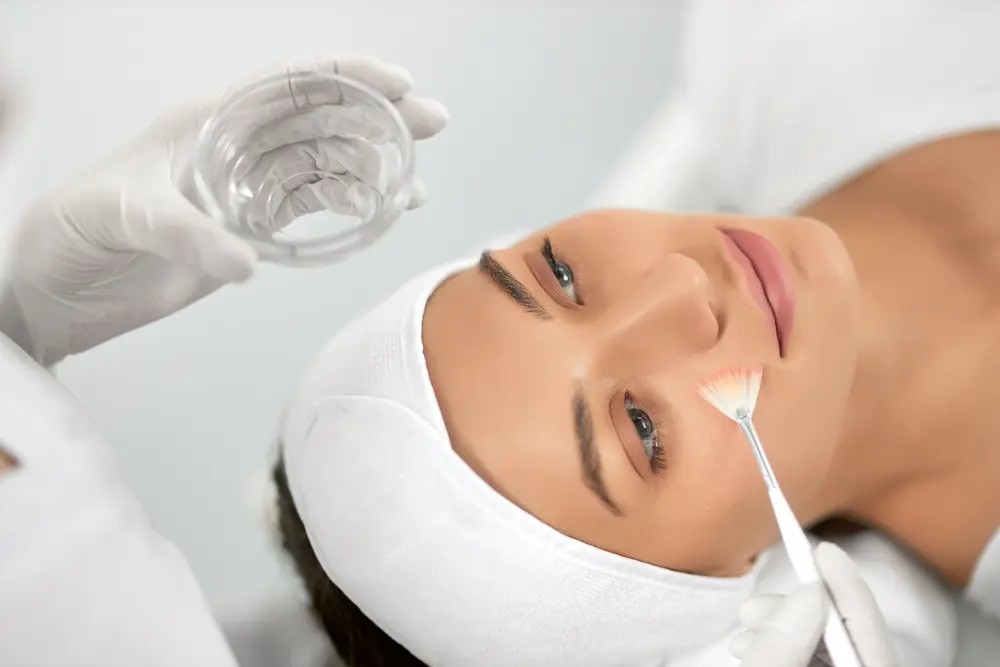
Professional glycolic peels can be used in different strengths, but these percentages should never be selected based on numbers alone.
A lower-strength peel may be chosen when the skin is new to chemical exfoliation, when only mild surface improvement is required, or when sensitivity is a concern.
Higher concentrations may produce a deeper exfoliating effect, but they also increase the possibility of irritation, burns, prolonged redness, or pigmentation problems if used incorrectly.
A dermatologist may consider factors such as skin tone, barrier health, acne activity, pigmentation tendency, previous peel experience, and current skincare products before deciding on peel strength.
Concentrations such as 20%, 50%, or 70% should therefore be viewed as clinical options, not as levels patients should progress through on their own.
Uneven skin tone rarely improves from one peel alone.
When appropriate for the skin, a planned series of glycolic peels may gradually help reduce surface dullness and make certain pigmentation patterns look more even.
The treatment can also improve the way light reflects from rough skin, creating a smoother appearance.
However, pigmentation has many causes. Melasma, post-acne marks, sun damage, and irritation-related pigmentation do not always require the same treatment.
This is why a dermatologist should first determine what is causing the uneven tone.
Peels may form one part of the plan, while sunscreen, topical treatment, or other procedures may be needed alongside them.
Sensitive skin does not automatically mean glycolic acid can never be used. The real question is whether the skin barrier is stable enough to tolerate it.
Someone with active irritation, eczema, recent sunburn, or an already damaged barrier may not be an ideal candidate at that time.
For other patients, a carefully chosen lower strength, shorter contact time, or wider gap between sessions may make treatment more suitable.
Patch testing or a conservative first session may also be considered when sensitivity is a concern.
People with reactive skin should avoid experimenting with strong peel solutions at home because irritation can lead to redness, burning, or even darker pigmentation.
Glycolic acid is available in cleansers, toners, serums, creams, and home exfoliating products.
These products are generally designed for regular use at lower concentrations and may help with mild surface texture when used correctly.
Professional peels are different because the concentration, pH, application time, and neutralisation process can be more intensive.
They also require proper assessment before treatment.
Using several exfoliating products together—such as glycolic acid, retinoids, scrubs, and other acids—can easily overwhelm the skin.
If you already use active skincare, tell your dermatologist before undergoing glycolic peel treatment so your routine can be adjusted safely.
A glycolic peel may be useful on its own, but in some cases it works better as part of a broader treatment plan.
For example, someone with acne and post-acne marks may first need active breakouts controlled before focusing on pigmentation.
A patient with uneven texture may benefit from a different procedure once the surface condition of the skin has improved.
Depending on the concern, a dermatologist may combine or alternate glycolic peels with topical skincare, other chemical peels, microneedling, laser-based procedures, or pigmentation treatments.
These treatments do not always need to be performed at the same visit. Appropriate spacing can be important for protecting the skin barrier.
A successful peel plan is usually gradual.
The dermatologist may begin with a conservative strength, monitor how the skin reacts, and then modify future sessions only when necessary.
Session intervals can also vary according to the treatment goal and skin response.
Between peels, daily sun protection becomes especially important. Freshly exfoliated skin can be more vulnerable to UV exposure, and inadequate protection may worsen pigmentation.
A gentle cleanser, suitable moisturiser, and temporary reduction of irritating active products may also be recommended after treatment.
The goal is not to make the skin peel dramatically every time. Controlled improvement is generally more useful than aggressive exfoliation.
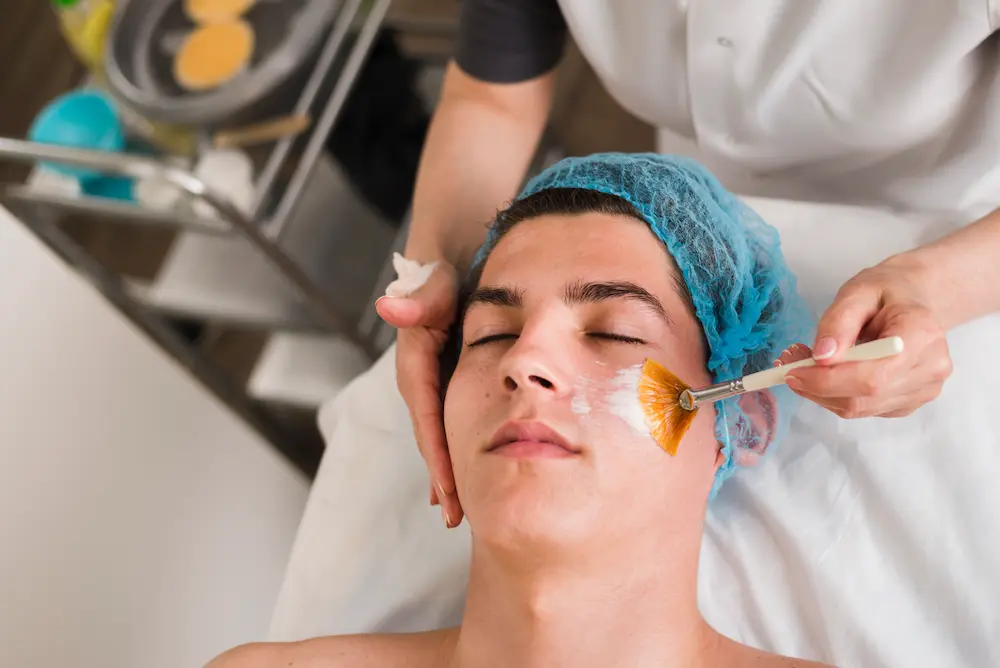
Glycolic peels can be a useful option for selected concerns such as dullness, mild uneven tone, rough texture, and superficial pigmentation, but treatment should always be adapted to the individual.
At Sage Skin & Hair Clinic, patients considering glycolic peel treatment can be evaluated according to skin type, sensitivity, pigmentation pattern, current skincare, and previous treatments before a peel plan is recommended.
If you are searching for the best skin clinic in Kochi,best skin clinic in Tirur, or dermatologist-guided glycolic peel treatment, look for an approach that prioritises appropriate peel strength, careful timing, and proper aftercare.
The aim of chemical exfoliation should not be to strip the skin aggressively. It should be to improve texture and tone progressively while maintaining a healthy skin barrier.


