Wellness
September 23, 2026
If your skin feels paper-thin, dry, and finely wrinkled like crepe paper, you're likely experiencing age-related collagen and elastin loss. At Sage Skin and Hair Clinic, the trusted skin clinic in Kochi and skin clinic in Tirur, we explain whether dermal fillers, skin boosters, or a combination approach is right for you.
Crepey skin refers to thin, fragile skin with a finely wrinkled texture, most noticeable on the neck, chest, arms, and under the eyes. The primary driver is the gradual breakdown of collagen and elastin, the structural proteins that keep skin firm, dense, and elastic. From our mid-20s onward, the body produces less of these proteins, and existing fibers fragment and disorganize, reducing the dermis's scaffolding.
Hormonal shifts, especially the drop in estrogen during menopause, accelerate collagen and elastin decline, leading to thinner skin with reduced moisture and subcutaneous fat. Cumulative sun exposure (photoaging) further degrades collagen and elastin, which is why crepey texture often appears earlier on sun-exposed areas. Other contributors include dehydration, smoking, poor nutrition, and certain medications that thin the skin over time.
Dermal fillers and skin boosters both use hyaluronic acid (HA), but they differ in formulation, purpose, and outcomes. Dermal fillers are densely cross-linked HA gels designed to add structure and volume, lifting and sculpting areas like cheeks, lips, and jawline. They are ideal for addressing hollows, folds, and loss of facial shape.
Skin boosters, by contrast, use lightly cross-linked or non-cross-linked HA to hydrate from within and stimulate natural skin regeneration. They improve skin quality, elasticity, and luminosity without adding noticeable volume, making them better suited for diffuse dullness, dehydration, and crepey texture on the face, neck, décolletage, and hands. If your main concern is texture and thinness rather than volume loss, a skin booster course is often the more appropriate choice.
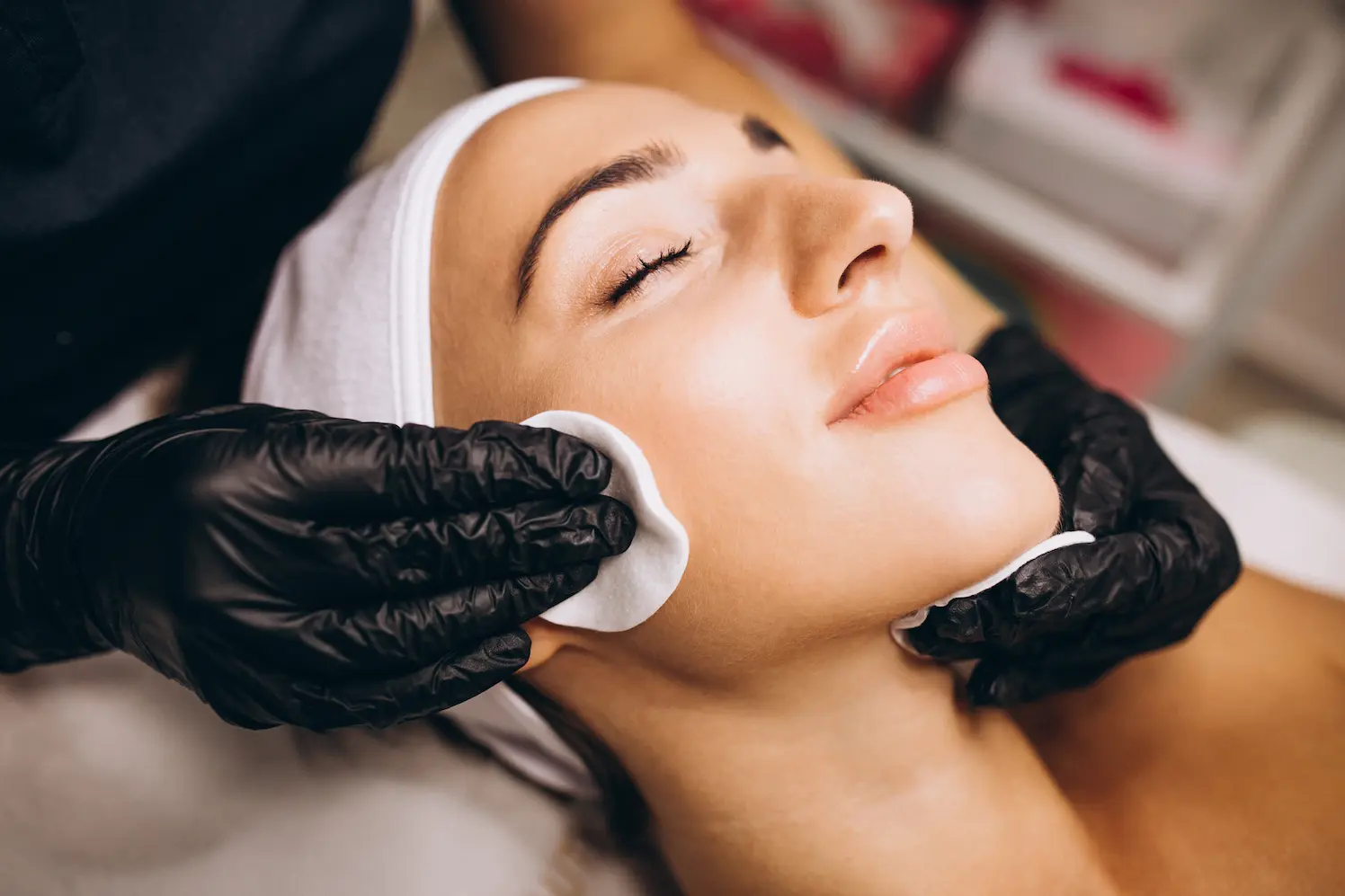
Collagen provides the skin's structural framework, while elastin enables snap-back elasticity. With age, collagen production declines by roughly 1% per year, and existing fibers become fragmented and loosely scattered rather than tightly bundled. This thinning of the dermis reduces structural support, leading to fine creasing, laxity, and the characteristic crepey appearance.
Elastin fibers also degrade, compounding the loss of firmness and bounce. The dermal-epidermal junction flattens, cellular turnover slows, and the skin barrier becomes compromised, contributing to dryness and fragility. Together, these changes create the thin, papery texture that defines crepey skin.
Beyond traditional fillers, several injectable treatments target skin quality directly. Skin boosters (e.g., Profhilo, Restylane Skinboosters, Teosyal Redensity) deliver high concentrations of HA to hydrate, stimulate fibroblasts, and enhance extracellular matrix quality, improving elasticity and texture. These are typically administered as a series of microinjections across the face, neck, or hands.
Biostimulatory injectables like polynucleotides (PN) and poly-L-lactic acid (PLLA) promote collagen and elastin production over time, thickening the dermis and refining texture. Diluted calcium hydroxylapatite (CaHA) can also be used as a "hyperdilute" treatment to improve skin quality and laxity without adding volume. At Sage Skin and Hair Clinic, our dermatologists tailor injectable plans to your skin's needs, whether you're seeking subtle rejuvenation or comprehensive texture improvement.
Improving crepey skin is a gradual process, not an overnight transformation. Skin boosters typically require a course of 2–4 sessions spaced a few weeks apart, with results building over 1–3 months as collagen and hydration improve. Biostimulatory treatments may take 3–6 months to show full effects as new collagen forms.
Results are subtle but meaningful: smoother texture, improved hydration and glow, and firmer, more resilient skin. Deep wrinkles or significant laxity may need combination approaches or device-based treatments for optimal outcomes. Maintenance sessions every 6–12 months help sustain results as natural aging continues.
For comprehensive rejuvenation, combining treatments often yields the best outcomes. A typical plan at our skin clinic in Kochi and skin clinic in Tirur might include:
This layered approach addresses multiple aging mechanisms simultaneously, compounding benefits for smoother, firmer, more youthful-looking skin.
Daily skincare is essential to maintain and enhance injectable outcomes. Key habits include:
At Sage Skin and Hair Clinic, we personalize skincare recommendations to complement your treatment plan, ensuring long-lasting, natural-looking results.
If you're concerned about thin, crepey skin, consult the experts at Sage Skin and Hair Clinic, the leading skin clinic in Kochi and skin clinic in Tirur. Our dermatologists will assess your skin and design a tailored plan using dermal fillers, skin boosters, and advanced treatments to restore quality, texture, and confidence.


