Wellness
October 26, 2026
A lot of people say they don’t want fillers because they’re afraid of looking “done.” What they want is for their own face to look like it did a few years ago. That’s the idea behind PLLA, and it’s why this collagen stimulator has become one of the most talked-about treatments in aesthetic medicine.
If you’re comparing the best skin clinic in Kochi or the best skin clinic in Tirur, here’s what PLLA treatment actually does, what to expect, and what to ask before you book.
This question trips up a lot of people, so let’s clear it up. PLA is the general name for polylactic acid. PLLA is poly-L-lactic acid, the specific form used in injectable biostimulators. When a clinic says “PLA treatment” or “PLLA treatment,” they usually mean the same thing.
So there’s no “PLLA lasts longer than PLA” contest. What differs is the brand, the particle size and preparation, and, most importantly, the injector’s technique. Results from a well-done course typically last around two years, sometimes a little more, depending on your age, your skin and how the treatment was planned.
If a clinic claims one version lasts far longer than another, ask them to explain exactly what they mean.
How PLLA Triggers Your Body’s Own Collagen Production
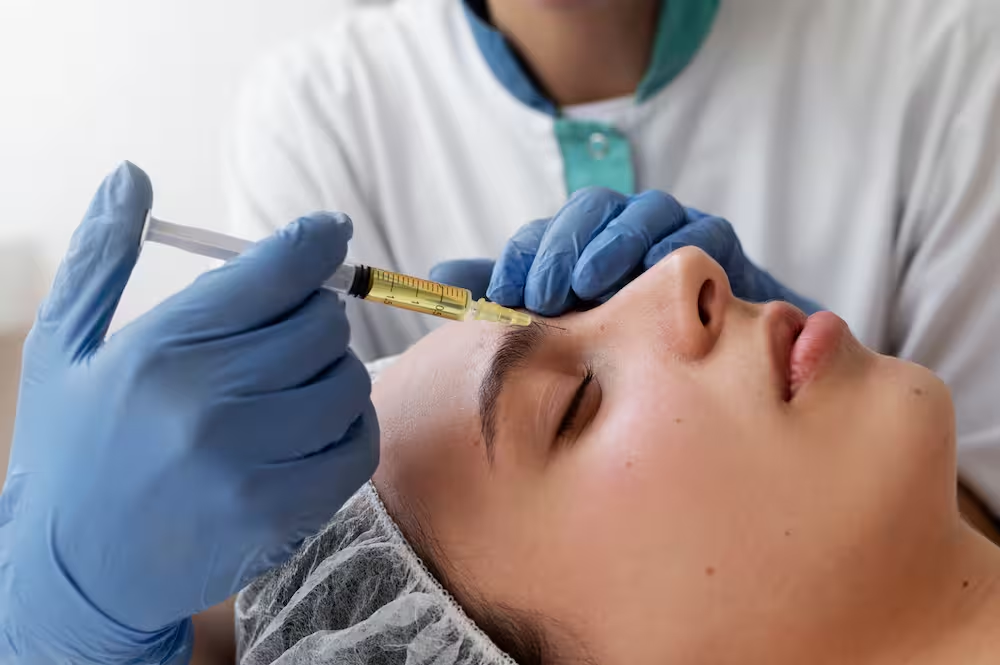
PLLA is made of tiny biodegradable particles. Once placed in the deeper layers of the skin, they don’t sit there as a gel. Your body treats them as a gentle signal to start rebuilding collagen around them.
Over the following weeks, that new collagen thickens the skin’s support layer. The particles themselves slowly break down and are cleared by the body, while the collagen they triggered stays on for a good while.
This is why the change feels like your face got better rather than your face got filled. Nothing is added to the surface. The structure underneath improves.
Patience is part of the deal here, so it helps to know what’s normal.
First two weeks: Some swelling and a bit of tenderness. Any early “fullness” is mostly the fluid used to dilute the product, and it fades. This is not your final result, so don’t judge it.
Weeks 4 to 8: The collagen process is underway. Most people have a second session around this point. Changes are subtle, and your skin may start to feel a little firmer.
Months 3 to 4: This is when many people notice the real shift. Cheeks look better supported, skin looks thicker and smoother, and the tired, flat look softens.
Months 5 to 6: Results settle and look their best. Most clinics plan two to three sessions in total, depending on how much support your face needs.
Take photos in the same light before you start. Gradual change is easy to miss in the mirror, and the comparison photos are often what convinces people the treatment worked.
PLLA works best where the face has lost support over a broad area.
Hollow cheeks and temples: This is its strongest use. Restoring structure here lifts the whole midface and softens the shadows that make you look drained.
Marionette lines and jawline: The lines from the corners of the mouth down toward the chin often come from lost support higher up. Rebuilding the cheeks and lower face can ease them without injecting directly into the line itself. Deep, stubborn lines may still need a filler alongside.
Sunken eyes: Be careful here. The skin right under the eye is very thin, and PLLA is generally not placed in the under-eye hollow because of the risk of lumps. If your concern is the area around the eyes, a good doctor may treat the temples and upper cheek to improve how the eye area looks, and suggest a different option for the hollow itself. Be wary of anyone who casually offers PLLA directly under the eyes.
Aftercare is a bigger part of the result than most people expect. Your doctor’s instructions come first, but a typical plan looks like this:
● Massage the treated areas as instructed. A common guideline is several minutes, several times a day, for about five days. This helps the product spread evenly and lowers the risk of lumps.
● Skip intense exercise, heat and alcohol for a day or two to reduce swelling and bruising.
● Avoid pressure on the face, including tight masks or sleeping face-down, for the first few days.
● Protect your skin from the sun. Daily sunscreen helps the new collagen last.
● Stay hydrated and eat well. Good sleep and protein support collagen production. This won’t replace the treatment, but it helps.
● Don’t miss your follow-up. Spacing between sessions is part of the plan.
If you notice a firm lump, unusual pain or colour change, contact your clinic rather than waiting it out.
Not better. Different.
Hyaluronic acid fillers give instant volume. They’re great for lips, defined lines, and any time you need a result for an event next week. They can be dissolved if you don’t like them, which many people find reassuring. But they typically need topping up within 6 to 18 months.
PLLA is gradual, builds your own collagen and tends to look softer, but you can’t undo it, and you can’t hurry it. It also isn’t suited to precise shaping like lips or fine lines.
Many experienced doctors use both: PLLA to rebuild the foundation, filler for the finishing touches. The honest answer to “which one” depends on your face, your goals and your patience.
Plenty of doctors do lean toward biostimulators, and the reasoning is practical.
Because PLLA works with your own tissue, the improvement is spread across the face rather than packed into one spot. The changes build slowly, so there’s less risk of overdoing it. And because results can last around two years, you spend less time in the clinic chair and less on top-ups.
There’s also a quality angle. Collagen you grow yourself is part of your skin, so it ages with you. For many doctors, that’s the more sustainable way to approach an ageing face, rebuilding rather than constantly replacing.
That said, “preferred” isn’t “right for everyone.” A skilled doctor will recommend whatever suits your anatomy, even if it isn’t the more expensive option.
PLLA is technique-sensitive. Placement depth, dilution and aftercare all affect the result, so look for:
● A qualified dermatologist or trained aesthetic doctor performing the injections
● A proper face assessment before any plan is suggested
● Genuine, sealed products shown to you
● Clear talk about risks, downtime and the number of sessions
● Honesty about what PLLA can’t do


