Wellness
September 1, 2026
Most people begin thinking seriously about skincare after a concern becomes visible—persistent acne, pigmentation, fine lines, uneven texture, or sun damage. Preventive dermatology takes a different approach. Instead of waiting for noticeable changes and then trying to reverse them, it focuses on protecting healthy skin, managing problems early, and reducing avoidable damage over the years.
Your 20s can be an ideal time to establish these habits. The American Academy of Dermatology identifies the 20s as an appropriate stage to begin an effective skincare routine, with sun protection forming an important part of long-term skin care.
For people searching for the best skin clinic in Kochi or the best skin clinic in Tirur preventive dermatology does not necessarily mean starting multiple procedures at a young age. Often, the most valuable intervention is understanding your skin and building an **early skin care** strategy that you can actually maintain.
Skin aging does not suddenly begin when the first wrinkle appears.
The appearance of skin changes gradually as a result of normal biological aging combined with external influences, particularly ultraviolet exposure. Repeated UV exposure contributes to premature changes such as pigmentation, wrinkles, and loss of firmness. Consistent sun protection can reduce premature skin aging as well as the risk of sunburn and skin cancer.
Prevention therefore does not mean trying to make twenty-year-old skin look younger. It means avoiding unnecessary damage to skin that is already young.
It also means addressing problems before they become more difficult to manage. Persistent acne, for example, deserves attention before repeated inflammation leaves more noticeable marks or scars. Similarly, recurring irritation should not simply be covered with increasingly complicated skincare.
The strongest early skin care plan is usually one that protects first and corrects only when necessary.
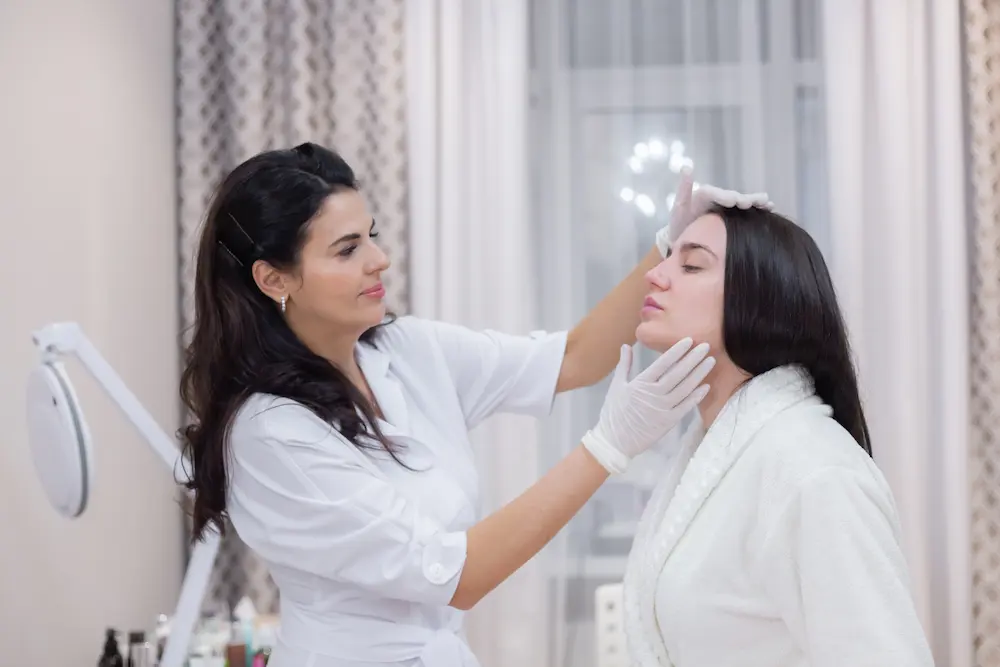
A preventive routine does not need ten products.
For many people, the essential foundation is surprisingly simple: gentle cleansing, appropriate moisturising, sun protection, and targeted ingredients only when there is a specific need.
Cleansing should remove sweat, excess surface oil, makeup, and sunscreen without leaving the skin repeatedly tight or irritated.
Moisturiser can be selected according to skin type. An acne-prone person may prefer a lighter formulation, while dry or sensitive skin may need more barrier support.
Additional ingredients should have a purpose.
Retinoids, for instance, can be used for concerns including acne, mild pigmentation irregularities, fine lines, and texture. However, stronger is not automatically better; dermatologists commonly recommend introducing retinoid products gradually according to individual tolerance.
Constantly changing products because of social-media trends may make it difficult to understand what your skin actually tolerates. Preventive skincare is more about consistency than collecting activities.
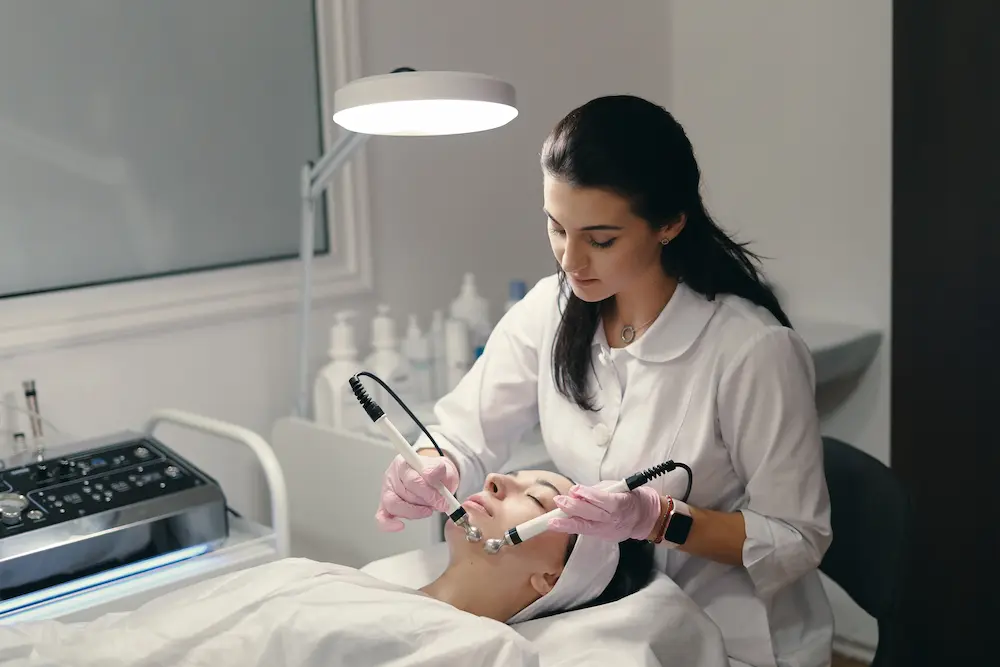
Preventive dermatology should never be interpreted as needing cosmetic procedures simply because you have entered your 20s.
Young, healthy skin without significant concerns may not require an in-clinic procedure at all.
Professional care becomes useful when there is something specific to manage: recurrent acne, persistent pigmentation, early textural changes, excessive oiliness, sensitivity, scarring, or another dermatological concern.
Depending on the skin assessment, a dermatologist may recommend medical skincare, acne treatment, pigmentation management, or carefully selected procedures. The correct option depends on diagnosis, skin type, history, and individual goals.
This is an important distinction.
Preventive care is not about treating an imaginary future wrinkle. It is about recognising current risk factors and avoiding practices that may unnecessarily damage the skin.
At Sage Skin & Hair Clinic, a preventive consultation can therefore focus first on what the skin actually needs rather than automatically adding procedures to a patient's routine.
If one habit deserves to begin early and continue for decades, it is sun protection.
Ultraviolet A and ultraviolet B rays affect the skin differently, and broad-spectrum sunscreens are formulated to provide protection against both. UVA contributes to premature skin aging, while UVB is strongly associated with sunburn; both forms of UV radiation contribute to skin damage.
The American Academy of Dermatology recommends a **broad-spectrum, water-resistant sunscreen with SPF 30 or higher**, along with other protective measures such as shade and suitable clothing.
Sunscreen should not be thought of only as a beach product.
Regular exposure happens during commuting, outdoor work, exercise, shopping, travel, and ordinary daytime activities. For people living in a sunny climate, incorporating photoprotection into the morning routine can be far more valuable than trying to correct years of accumulated sun-related changes later.
The best sunscreen is also one you are comfortable applying consistently. Texture, skin type, sweating, acne tendency, and sensitivity can all influence product choice.
Another area commonly discussed in preventive skincare is antioxidants.
Normal cellular activity and environmental exposures can generate reactive molecules known as free radicals. Antioxidants can help neutralise some of these reactive species, which is why ingredients such as vitamin C are frequently included in skincare designed to address photoaging.
Research on topical vitamin C suggests potential benefits for photoaged skin, uneven appearance, and pigmentation, although formulation, stability, concentration, and duration of use can influence results.
However, an antioxidant serum should complement—not replace—sun protection.
A beautifully packaged vitamin C serum does not compensate for regularly skipping sunscreen.
Likewise, not every person needs the same antioxidant ingredient. Sensitive or reactive skin may tolerate certain formulations poorly, while someone dealing primarily with active acne may have more important treatment priorities.
A dermatologist-guided early skin care plan can help decide whether an antioxidant product adds genuine value to the routine rather than simply adding another step.
Your skin at 22 may not behave exactly the same at 28 or 32.
Hormonal changes, work schedules, stress, climate exposure, medications, acne patterns, skincare habits, and accumulated environmental exposure can alter what the skin needs over time.
This is where periodic dermatological assessment can be useful.
A review may include existing acne or pigmentation, changing moles or lesions, skin-barrier health, sun exposure, current products, family or personal history, and concerns that have developed since the previous consultation.
It is important, however, not to present an annual medical skin examination as mandatory for every healthy young adult. The appropriate frequency of professional skin examinations depends on individual risk factors, and dermatologists can advise patients according to their personal risk.
Self-awareness also matters. Dermatologists encourage people to become familiar with their skin and check for new or changing spots, because suspicious skin changes are easier to recognise when you know what is normal for you.
Preventive dermatology does not mean chasing flawless skin or beginning aggressive anti-aging treatments at 20.
It means creating habits that your future skin can benefit from: protecting against UV exposure, treating acne rather than repeatedly picking at it, supporting the skin barrier, avoiding unnecessary irritation, and selecting active ingredients according to genuine needs.
The earlier these fundamentals become routine, the easier it can be to maintain them.
If you are searching for the best skin clinic in Kochi or best skin clinic in Tirur for personalized preventive skincare, begin with an assessment rather than a list of trending procedures.
At Sage Skin & Hair Clinic, early skin care can be planned around your skin type, current concerns, lifestyle, environmental exposure, sensitivity, and long-term skin-health goals.
Healthy skin in your 20s does not need to be aggressively “anti-aged.” It needs to be understood, protected, and cared for consistently so that healthy habits can continue well beyond your 20s.


