Wellness
November 18, 2026
Skin aging does not begin suddenly in your 40s. In reality, the earliest changes often start quietly in your 20s, long before visible wrinkles appear. Collagen gradually reduces, sun exposure leaves cumulative damage, and lifestyle habits influence how quickly your skin loses firmness, brightness and elasticity. The good news is that with the right skincare, sun protection and timely professional care, you can slow visible aging at every stage of life.
At Sage Skin and Hair Clinic, with branches in Kochi and Tirur, our dermatology team helps patients choose evidence-based skin aging treatment plans suited to their skin type, concerns and age. Whether you are looking for preventive care or advanced anti-aging treatment, understanding what changes with age is the first step.
Skin aging is influenced by two major factors: intrinsic aging and extrinsic aging. Intrinsic aging is natural and genetic; it happens as collagen and elastin production slowly decline, cell turnover becomes less efficient, and the skin retains less moisture. This leads to thinner skin, fine lines, dryness and reduced firmness over time.
Extrinsic aging, however, is largely preventable. Ultraviolet (UV) exposure is one of the biggest contributors because it damages collagen and elastin fibres, causing pigmentation, rough texture, wrinkles and loss of elasticity. The American Academy of Dermatology recommends daily broad-spectrum sunscreen with SPF 30 or higher, along with shade and protective clothing, to reduce premature aging.
Lifestyle also matters. Smoking, poor sleep, chronic stress, dehydration, pollution exposure, high sugar intake and repeated facial expressions can all accelerate visible aging. In Kerala’s humid climate, many people assume sunscreen is unnecessary on cloudy days, but UV rays can still affect the skin. Daily protection is essential, especially for the face, neck, ears and hands.
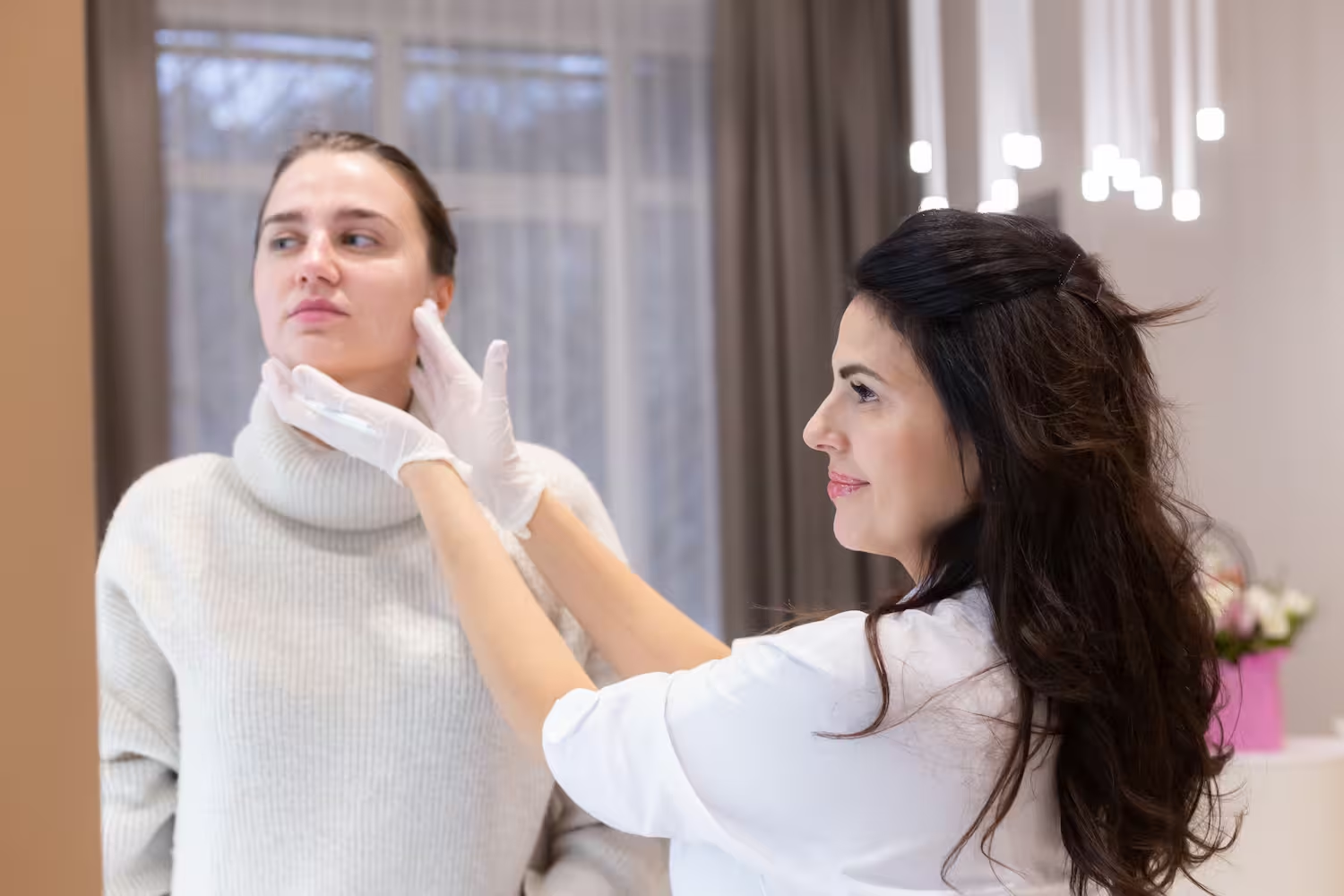
In your 20s, aging is usually not about deep wrinkles. Instead, it often begins with subtle changes that are easy to overlook:
These signs do not mean your skin is “old.” They are early reminders that prevention works better than correction. A simple routine with a gentle cleanser, moisturiser, vitamin C in the morning and sunscreen can protect the skin barrier and reduce dark spots. Vitamin C is supported by dermatological guidance as an ingredient that can help reduce skin aging and dark spots.
In Your 20s: Protect and Prevent
Your main goal is prevention. Use a broad-spectrum SPF 30+ sunscreen every morning, reapply when outdoors, and avoid tanning. Add a lightweight moisturiser and consider a vitamin C serum for brightness and antioxidant support. If you have acne, pigmentation or early texture concerns, a dermatologist may introduce a retinoid at night. Retinoids support cell turnover and collagen production, improving tone, texture, mild pigmentation and fine lines.
In Your 30s: Repair and Maintain
Collagen decline becomes more noticeable, and many people begin to see fine lines around the eyes, forehead and mouth. This is the right time to be consistent with sunscreen, moisturiser and retinoids. Antioxidants, hydration and periodic dermatologist-led treatments can help maintain skin quality. If pigmentation, dullness or acne scars are concerns, chemical peels, medi-facials or laser-based treatments may be considered after a professional skin assessment.
In Your 40s: Firmness and Volume
By your 40s, reduced collagen and elastin can lead to more visible lines, uneven tone, dryness and early sagging. Skincare remains important, but clinical anti-aging treatment may offer more noticeable improvement. Options such as skin-tightening treatments, PRP micro-needling and collagen-stimulating injectables can support firmer, smoother-looking skin. At Sage Skin and Hair Clinic, treatments such as HIFU and PRP micro-needling are offered to stimulate collagen and improve skin firmness.
In Your 50s and Beyond: Hydration, Support and Comfort
Mature skin often becomes drier, thinner and more sensitive. Focus on barrier repair, rich but non-comedogenic moisturisers, gentle cleansing and continued sun protection. Professional treatments can address sagging, deep lines, volume loss and pigmentation, but they should always be customised to your skin health and medical history. A dermatologist can help balance effective anti-aging care with comfort and safety.
Not every aging concern needs the same treatment. Choosing the right approach depends on whether the main issue is colour, texture, lines or loss of firmness.
Common Skin Concerns and Treatment Approaches
Pigmentation often needs strict sun protection because UV exposure can worsen dark spots. Fine lines respond well to treatments that improve collagen and cell renewal. Sagging, however, usually requires treatments that target deeper collagen support rather than surface exfoliation alone.
Professional skin aging treatment can be preventive as well as corrective. The right plan depends on your skin type, sensitivity, pigmentation history and specific concerns.
Anti-aging treatment should never be one-size-fits-all. A dermatologist should examine your skin first, especially if you have melasma, sensitive skin, active acne, a history of keloids or any medical condition affecting the skin.
Some everyday habits quietly accelerate aging more than people realise. To protect your skin, avoid or reduce the following:
Moisturiser is also more important than many people think. It helps trap water in the skin, which can soften the appearance of fine lines and support a healthier complexion. For best results, pair moisturiser with daily sunscreen rather than relying on expensive products alone.
You should consider visiting a dermatologist if you notice persistent pigmentation, sudden changes in skin texture, deepening lines, visible sagging, adult acne or irritation from over-the-counter products. Professional guidance is especially important before starting retinoids, peels, lasers or injectables.
At Sage Skin and Hair Clinic, patients in Kochi and Tirur can receive personalised skin aging treatment and anti-aging treatment plans based on a proper dermatological assessment.
Aging is natural, but premature aging is not something you simply have to accept. With daily sun protection, a consistent routine and the right clinical care, your skin can stay healthier, brighter and more resilient at every age. If you are searching for the best skin clinic in Kochi or the best skin clinic in Tirur, Sage Skin and Hair Clinic offers dermatologist-led care to help you age confidently and gracefully.


