


Smooth, healthy-looking skin does not always mean perfectly poreless skin. Many people have small, rough bumps, uneven texture, or a sandpaper-like feel on areas such as the upper arms, thighs, buttocks, or cheeks. One of the most common causes is keratosis pilaris, a harmless but often persistent skin condition that develops when keratin, a protein found naturally in the skin, builds up around hair follicles.
Keratosis pilaris is a common skin condition characterized by tiny, rough bumps that typically develop around hair follicles. These bumps may be skin-coloured, white, pink, or reddish depending on the person's skin tone and the degree of inflammation. It is sometimes described as "chicken skin" because the affected area can have a bumpy appearance and feel rough when touched.
Keratosis pilaris commonly appears on upper arms, thighs, buttocks, cheeks, forearms, and occasionally other areas of the body. The condition occurs when excess keratin accumulates around the openings of hair follicles. Instead of shedding normally, the keratin can form small plugs that make the skin feel uneven. Keratosis pilaris is generally harmless and is not contagious. However, it can be persistent and may become more noticeable when the skin is dry. Some people experience it only occasionally, while others may have visible bumps for years.
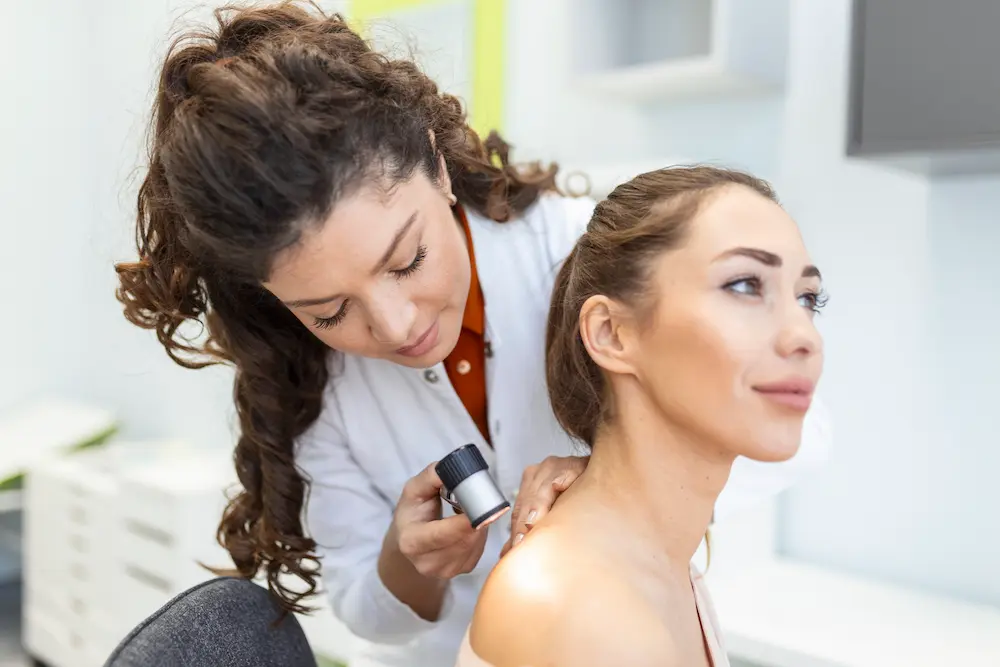
It is important to understand that not every rough or bumpy patch is keratosis pilaris. Similar-looking skin changes can occur due to folliculitis, acne, eczema, excessive dryness, ingrown hairs, or other dermatological conditions. This is why professional assessment can be useful when the condition is persistent, widespread, inflamed, or changing.
The exact reason some people develop keratosis pilaris is not always clear. However, abnormal accumulation of keratin around hair follicles plays a central role. Several factors can influence its appearance and severity.
Keratin Build-Up - Keratin protects the skin, but excessive accumulation can block hair follicles. These tiny plugs create the characteristic rough bumps associated with keratosis pilaris.
Dry Skin - Dryness can make rough texture much more noticeable. During periods when the skin loses more moisture, the bumps may feel harder and the surrounding skin may appear dull or flaky.
Genetics - Keratosis pilaris can run in families. People with a family history of the condition may be more likely to experience it themselves.
Sensitive or Easily Irritated Skin - Aggressive exfoliation, frequent shaving, harsh soaps, and unsuitable skincare products may increase irritation and make existing texture appear worse.
Environmental Conditions - Heat, humidity, sun exposure, and lifestyle factors can influence the way the skin behaves. In a humid, warm environment such as Kerala, individuals may also experience a combination of sweating, friction, body-care products, and clogged follicles that can complicate skin texture concerns.
Keratosis pilaris can vary considerably from one person to another. Some people notice tiny bumps that are almost the same colour as their skin. Others may have red or pink bumps around the follicles. The skin may feel rough even when the bumps are difficult to see.
Common signs of keratosis pilaris include tiny raised bumps, rough or uneven skin, dryness around the affected area, redness around individual follicles, skin that feels like sandpaper, increased roughness during dry weather, and mild itching or irritation in some individuals. The condition is usually not painful. However, persistent redness or inflammation may indicate that another skin problem is present or that the skin is being irritated by external factors. A dermatologist can help distinguish keratosis pilaris from other conditions that can produce similar-looking bumps.
The term Rough skin is a broad description rather than a specific diagnosis. A person may describe their skin as rough because of keratosis pilaris, dehydration, dry skin, acne, enlarged pores, acne scars, folliculitis, ingrown hairs, excessive dead-skin accumulation, sun-related skin changes, or irritation from skincare products.
This distinction matters because the appropriate textured skin treatment depends on the underlying cause. For example, simply exfoliating aggressively may not be appropriate for someone whose roughness is caused by irritation or a compromised skin barrier. Similarly, a person with acne scars may need a completely different approach from someone with keratosis pilaris.
The first step towards smoother skin is therefore identifying what is actually causing the texture. Also, rough texture can occur anywhere on the body or face. This is why textured skin treatment should ideally begin with a proper skin assessment.
Keratosis pilaris can improve and worsen over time. Several everyday factors can affect how noticeable it becomes.
Dryness - When the skin loses moisture, bumps can feel rougher and appear more prominent.
Over-exfoliation - Scrubbing the skin repeatedly in an attempt to remove bumps can cause irritation. Physical scrubs, rough loofahs, and excessive friction may compromise the skin barrier.
Hot Water - Very hot showers can strip the skin of natural oils and increase dryness.
Friction - Tight clothing, repeated rubbing, and friction from certain fabrics can irritate already textured skin.
Shaving and Hair Removal - Shaving or other hair-removal practices may sometimes contribute to irritation or ingrown hairs, which can make follicular bumps more noticeable.
Inconsistent Skincare - Keratosis pilaris often requires ongoing maintenance rather than a one-time solution. Stopping an effective routine may allow the roughness to return.
Moisturizing and Barrier-Supporting Skincare
Hydration is an important part of managing rough skin. Regular use of an appropriate moisturizer can soften the skin and improve its overall feel. For people with keratosis pilaris, dermatologists may recommend moisturizers containing ingredients that help soften and exfoliate accumulated skin cells while maintaining hydration.
Depending on individual needs, formulations containing ingredients such as urea, lactic acid, salicylic acid, or other keratolytic agents may be considered. However, stronger does not always mean better. Sensitive skin may become irritated if exfoliating ingredients are used too frequently or at excessive concentrations.
Chemical Exfoliation
Chemical exfoliation can help loosen dead skin cells and reduce the build-up that contributes to rough texture. Depending on the patient's skin and concern, a dermatologist may consider carefully selected exfoliating ingredients or professional chemical peels.
Sage Skin & Hair Clinic offers customized chemical peel treatments designed to address concerns including uneven texture and dullness. The clinic emphasizes treatment selection according to individual skin requirements rather than using the same procedure for everyone.
Professional Skin Resurfacing
For individuals whose rough texture is associated with broader concerns such as acne scars, uneven skin surface, or collagen loss, dermatological resurfacing procedures may be considered. The appropriate technology depends on the condition being treated. Professional assessment is important because resurfacing procedures are not automatically suitable for every type of keratosis pilaris.
Microneedling-Based Treatments
Microneedling creates controlled micro-injuries that can stimulate the skin's natural repair processes and collagen production. It is more commonly considered for certain types of scars and textural irregularities than for straightforward keratosis pilaris. However, when rough texture is accompanied by acne scarring or other surface irregularities, a dermatologist may evaluate whether collagen-stimulating treatment has a role in the overall treatment plan.
Sage offers PRP with microneedling as one of its skin treatment options, with the treatment designed to support skin regeneration and improve texture.
Laser-Based Skin Treatments
Laser treatments may be considered for selected pigmentation, scarring, or textural concerns. They are not a universal treatment for every case of keratosis pilaris. The choice of laser, energy settings, treatment area, and number of sessions should be determined by a qualified dermatologist after assessing the skin.
Sage Skin & Hair Clinic provides advanced laser-based treatments, including Fractional CO2 Laser for selected acne scars and wrinkles.
A professional approach usually begins by identifying the type of texture involved.
The dermatologist may assess the following before creating a treatment plan that is safer and more appropriate for the individual.
Skin Type - Oily, dry, combination, sensitive, or acne-prone skin can respond differently to exfoliating products and procedures.
Severity of Issue - Mild roughness may respond well to a consistent skincare routine, while persistent or complex textural concerns may require professional treatments.
Location of Skin Problem - Facial skin is different from the skin on the upper arms, thighs, or buttocks. Treatment has to take the location into account.
Other Associated Symptoms - Redness, itching, inflammation, pus-filled bumps, pain, or sudden changes may suggest a condition other than simple keratosis pilaris.
Previous Treatments - A dermatologist may ask about products, peels, laser treatments, shaving, waxing, or other procedures previously used.
It is worth consulting a dermatologist if
• The bumps are persistent
• The condition is spreading
• The skin becomes increasingly red
• There is pain or pus
• The texture is accompanied by significant itching
• Over-the-counter products have not helped
• You are unsure whether the bumps are keratosis pilaris
• You have developed pigmentation or scarring
• The condition is affecting your confidence
• You want professional treatment for persistent rough texture
A dermatologist can determine whether the problem is actually keratosis pilaris and identify any associated skin condition. Personalized care helps avoid unnecessary treatments and reduces the risk of making the skin more sensitive. Sage Skin & Hair Clinic focuses on evidence-based treatments suited to Indian skin and avoids unnecessary procedures or unrealistic promises.
Keratosis pilaris tends to be a chronic condition and the timeline varies from person to person. Some people notice that their skin feels softer within several weeks of consistent skincare, while visible improvement in bumps and redness may take longer. Professional procedures, when appropriate, may accelerate improvement in selected cases, but multiple sessions may sometimes be required.
Can Keratosis Pilaris Come Back?
Keratosis pilaris can recur even after the skin improves, and this does not necessarily mean that treatment failed. As the underlying tendency for keratin build-up can remain, maintenance is often an important part of management. A simple dermatologist-guided skincare routine can help keep symptoms under control.
Why Professional Textured Skin Treatment Can Make a Difference
Online skincare advice often encourages people to use stronger acids, abrasive scrubs, or multiple active ingredients at the same time. This can create a cycle of rough skin, aggressive exfoliation, irritation and damage, increased dryness and more visible texture. A professional approach breaks this cycle by identifying the actual cause and selecting treatments based on the condition of the skin.
Dermatological care can provide:
More accurate diagnosis
Personalized product recommendations
Appropriate exfoliation
Professional procedures when necessary
Guidance on preventing irritation
Follow-up and treatment adjustment
Long-term skin management
The goal is not simply smoother-looking skin for a short period, but healthier skin that can be maintained. If you are looking for textured skin treatment and want to understand which options may be appropriate for your skin, a consultation with a dermatologist can help you move beyond trial-and-error skincare and towards a more structured plan.
Keratosis pilaris tends to be a chronic condition and the timeline varies from person to person. Some people notice that their skin feels softer within several weeks of consistent skincare, while visible improvement in bumps and redness may take longer. Professional procedures, when appropriate, may accelerate improvement in selected cases, but multiple sessions may sometimes be required.
Can Keratosis Pilaris Come Back?
Keratosis pilaris can recur even after the skin improves, and this does not necessarily mean that treatment failed. As the underlying tendency for keratin build-up can remain, maintenance is often an important part of management. A simple dermatologist-guided skincare routine can help keep symptoms under control.
Why Professional Textured Skin Treatment Can Make a Difference
Online skincare advice often encourages people to use stronger acids, abrasive scrubs, or multiple active ingredients at the same time. This can create a cycle of rough skin, aggressive exfoliation, irritation and damage, increased dryness and more visible texture. A professional approach breaks this cycle by identifying the actual cause and selecting treatments based on the condition of the skin.
Dermatological care can provide:
More accurate diagnosis
Personalized product recommendations
Appropriate exfoliation
Professional procedures when necessary
Guidance on preventing irritation
Follow-up and treatment adjustment
Long-term skin management
The goal is not simply smoother-looking skin for a short period, but healthier skin that can be maintained. If you are looking for textured skin treatment and want to understand which options may be appropriate for your skin, a consultation with a dermatologist can help you move beyond trial-and-error skincare and towards a more structured plan.
If you are searching for a skin clinic in Kochi or a skin clinic in Tirur for persistent roughness, uneven texture, or keratosis pilaris-related concerns, Sage Skin & Hair Clinic offers a personalized dermatological approach. It brings together dermatological expertise, advanced technology, personalized treatment planning, and patient-focused care to address a wide range of skin and hair concerns.
Sage was established with a focus on evidence-based skin and hair treatments developed with Indian skin in mind. The clinic emphasizes accurate diagnosis, customized treatment plans, patient education, safety, and meaningful long-term results. The clinic also combines dermatological expertise with modern technology. Its Kochi services include chemical peels, HydraFacial, Fractional CO2 Laser, Q-switched Nd Laser, PRP with microneedling, and other skin treatments selected according to individual concerns. For patients dealing with rough or uneven skin, this broader range of options can be useful because skin texture may have more than one underlying cause.
Choosing Sage means receiving care focused not just on improving how the skin looks, but on understanding its needs and developing a sustainable treatment strategy. If you are searching for a skin clinic in Kochi, a skin clinic in Tirur, or professional textured skin treatment, Sage Skin & Hair Clinic offers a combination of medical expertise, modern treatment options, personalized attention, and a patient-first philosophy to help you work towards smoother, healthier-looking skin.
.png)
Our skilled professionals will tailor a journey to meet your unique needs, whether it's revitalizing your skin, unlocking the hidden potential of your hair, or guiding you toward holistic well-being. Experience a renewed sense of well-being with our comprehensive treatments tailored to nourish your body, mind, and soul.

Experience the sleek elegance of our Modern Wellness Retreat Sauna. The clean lines and contemporary design of this sauna create a sophisticated ambiance. With glass panels offering a view of the surroundings, immerse yourself in a space that seamlessly blends modern luxury with the benefits of traditional sauna therapy.


