


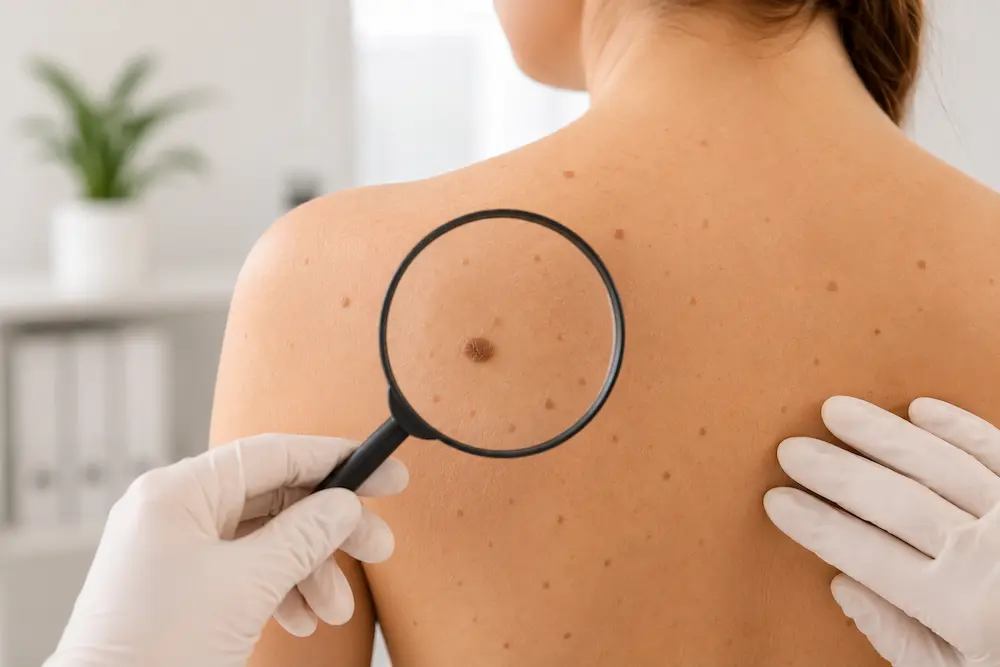
Skin growths such as moles, skin tags, and seborrheic keratoses are extremely common. Most are harmless, but some may cause irritation, affect appearance, or require medical evaluation because of changes in colour, shape, size, or texture. Understanding the difference between these conditions and knowing when to consult a dermatologist can help you make safer decisions about treatment.
If you are considering removal, visiting a qualified skin clinic in Kochi or a skin clinic in Tirur is important. Professional examination helps determine whether the growth is benign and which treatment method is most suitable for your skin
Moles
Moles, medically known as nevi, are small areas of skin formed by clusters of pigment-producing cells. They may appear during childhood, adolescence, or adulthood and can be flat or raised.
Most moles remain harmless throughout life. However, a mole that begins to change should not be ignored.
Dermatological evaluation is advisable when a mole:
* becomes noticeably larger
* develops an irregular border
* changes colour or contains several colours
* becomes itchy, painful, or tender
* starts bleeding without an obvious injury
* looks significantly different from your other moles
A dermatologist at a skin clinic in Kochi or Tirur can examine suspicious lesions and determine whether further assessment or removal is required.
Skin Tags
Skin tags are soft, small, flesh-coloured growths that commonly develop in areas where skin rubs against skin or clothing. They are often seen around the neck, underarms, eyelids, groin, and beneath the breasts.
Skin tags are usually harmless and do not require treatment. However, people may choose to remove them if they repeatedly catch on clothing, jewellery, or razors.
Some skin tags may also become irritated, twisted, or uncomfortable. Professional removal is preferable because attempting to cut or burn a skin tag at home may cause bleeding, infection, pigmentation, or unnecessary injury.
Seborrheic Keratosis
Seborrheic keratosis is a common non-cancerous skin growth that becomes more frequent with age. These lesions may appear brown, black, tan, or skin-coloured and often have a slightly raised, rough, or waxy appearance.
They may develop on the face, chest, back, neck, or other areas of the body.
Although seborrheic keratoses are generally harmless, they can sometimes resemble other skin conditions. Therefore, a new or rapidly changing growth should be examined before treatment.
A dermatologist can usually identify seborrheic keratosis through clinical examination. If there is uncertainty regarding the diagnosis, additional evaluation may be recommended.
When Should You Consider Treatment?
Not every mole, skin tag, or seborrheic keratosis needs removal. Treatment is generally considered for medical, practical, or cosmetic reasons.
You may want to visit a skin clinic in Tirur or Kochi if a skin growth:
* repeatedly becomes irritated
* bleeds frequently
* rubs against clothing
* interferes with shaving
* causes itching or discomfort
* changes noticeably
* affects your appearance or personal comfort
The most important step before removal is identifying exactly what type of growth is present.
Removing an undiagnosed lesion without proper evaluation may delay the detection of a condition that requires medical attention.
Safe Removal Options
The appropriate removal method depends on the type, size, depth, and location of the lesion.
Electrocautery
Electrocautery uses controlled heat to remove selected skin growths. It may be suitable for certain skin tags and benign lesions. The procedure is performed carefully by a trained medical professional.
Cryotherapy
Cryotherapy uses very low temperatures to freeze selected skin lesions. It may be recommended for some benign growths depending on their characteristics and location.
Snip Excision
Small skin tags can sometimes be removed using sterile surgical instruments after appropriate preparation of the skin. This technique should always be performed under medical supervision.
Shave Removal or Surgical Excision
Certain raised moles or other lesions may require shave removal or complete surgical excision. When a dermatologist believes a mole requires further evaluation, the removed tissue may be sent for laboratory examination.
Other Dermatological Procedures
Depending on the diagnosis, your dermatologist may recommend additional techniques such as curettage or certain energy-based procedures. The treatment choice should always be based on proper examination rather than simply choosing the quickest cosmetic option.
Home remedies and DIY removal techniques are widely promoted online, but they can be unsafe.
Using acids, chemicals, threads, blades, or unapproved devices may lead to burns, infection, prolonged wounds, scarring, or post-inflammatory pigmentation.
More importantly, treating a growth at home means it has not been medically diagnosed.
At a professional skin clinic in Kochi or a skin clinic in Tirur, the dermatologist first evaluates the lesion before deciding whether removal is appropriate. This is especially important for pigmented lesions and changing moles.
What to Expect After Removal
After a minor dermatological procedure, temporary redness, mild swelling, crusting, or sensitivity can occur. Healing time varies depending on the procedure, the size of the lesion, its location, and the individual's skin.
Your dermatologist may recommend:
* keeping the treated area clean
* avoiding scratching or picking
* using prescribed topical medication if required
* protecting exposed skin from excessive sun exposure
* attending follow-up if the lesion was suspicious or required testing
Following aftercare instructions carefully can support proper healing and reduce the risk of complications.
Moles, skin tags, and seborrheic keratoses are common, and most are benign. However, any growth that changes unexpectedly, bleeds repeatedly, becomes painful, or looks unusual deserves professional evaluation.
If a skin growth is bothering you medically or cosmetically, consult a dermatologist at a trusted skin clinic in Kochi or skin clinic in Tirur. Proper diagnosis allows your dermatologist to recommend a safe and appropriate removal option based on your individual skin condition.
Professional assessment is always safer than attempting to diagnose or remove a skin growth on your own.
.png)
Our skilled professionals will tailor a journey to meet your unique needs, whether it's revitalizing your skin, unlocking the hidden potential of your hair, or guiding you toward holistic well-being. Experience a renewed sense of well-being with our comprehensive treatments tailored to nourish your body, mind, and soul.

Experience the sleek elegance of our Modern Wellness Retreat Sauna. The clean lines and contemporary design of this sauna create a sophisticated ambiance. With glass panels offering a view of the surroundings, immerse yourself in a space that seamlessly blends modern luxury with the benefits of traditional sauna therapy.


